
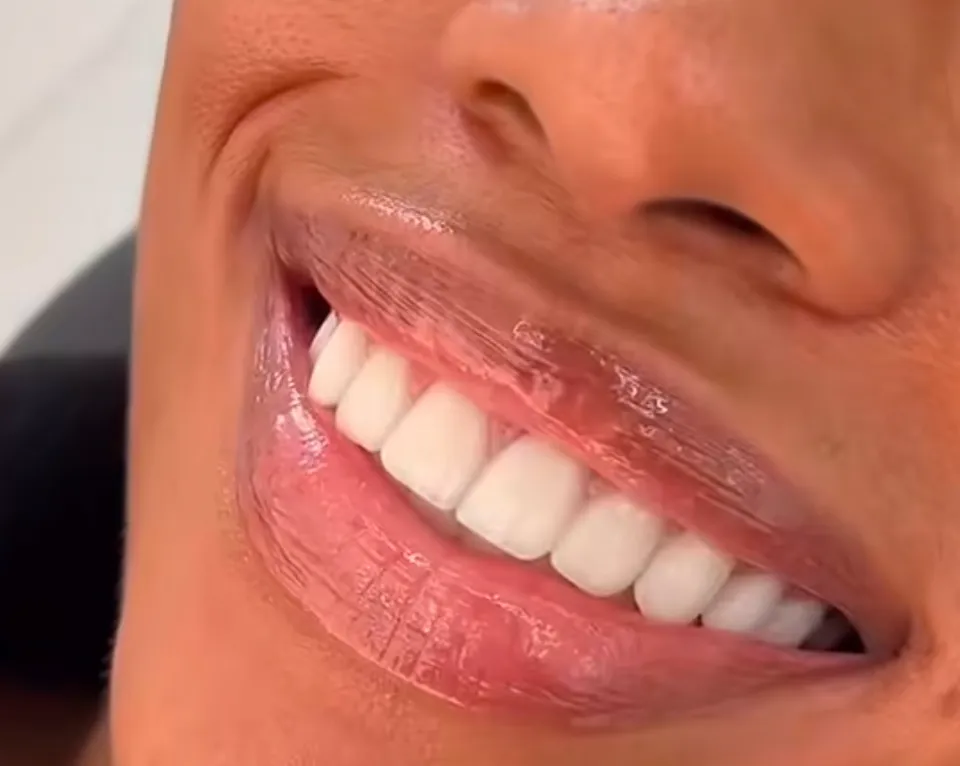


Gingivitis
The early, non-destructive stage of gum disease caused by bacterial biofilm accumulating along the gingival margin. Tissues appear red, swollen, and bleed readily during brushing or flossing.
Transforming smiles requires far more than surface cosmetic enhancements. We harmonize dental aesthetics with underlying biological health, occlusal stability, and periodontal longevity.
Many dental practices use the terms interchangeably, but at One To One Dental Clinic, our philosophy recognizes a profound clinical distinction between merely cosmetic treatment and true aesthetic dentistry.
Cosmetic Dentistry: Focuses strictly on surface appearance—masking stains, adding resin, or placing veneers without addressing underlying bite trauma or periodontal disease.
Aesthetic Dentistry: A holistic, multidisciplinary science that designs a beautiful smile grounded in occlusal harmony, jaw joint (TMJ) balance, healthy periodontal margins, and facial symmetry.
When a smile is engineered with functional harmony, teeth wear evenly, restorations do not fracture, and gum tissues remain pink and healthy for life.
Invisalign® clear aligners represent the modern pinnacle of comfortable, wire-free teeth alignment. Using medical-grade SmartTrack® polymer, custom trays gradually calibrate tooth positions without metal brackets or sharp wires.
Led by Dental Hygiene Therapist Linzy Baker, our clinic replaces conventional painful scraping with Switzerland’s state-of-the-art Guided Biofilm Therapy.
Bacterial biofilm (plaque) is the primary root cause of tooth decay, gingival inflammation, periodontitis, and peri-implant disease. Traditional manual scaling can scratch restorations, cause sensitivity, and leave subgingival pockets colonized.
EMS Guided Biofilm Therapy utilizes temperature-controlled warm water, regulated air pressure, and ultrafine erythritol AirFlow® powder (particle size 14 microns) to gently, thoroughly disintegrate bacterial colonies from enamel, root surfaces, tongue, and dental implants.
Periodontal disease is a chronic inflammatory infection. Recognizing the signs early prevents irreversible bone resorption and tooth loss.
The early, non-destructive stage of gum disease caused by bacterial biofilm accumulating along the gingival margin. Tissues appear red, swollen, and bleed readily during brushing or flossing.
When gingivitis remains untreated, anaerobic bacteria migrate beneath the gumline, destroying the supporting alveolar bone and periodontal ligament attachment.
The mouth is the primary gateway to your body. Chronic periodontal ulcerations allow oral pathogens and inflammatory cytokines into your bloodstream, directly exacerbating 8 systemic conditions.
Bi-directional relationship: chronic oral inflammation worsens insulin resistance, while elevated blood sugar exacerbates rapid periodontal breakdown.
Oral pathogens enter the vascular system, contributing to arterial plaque formation (atherosclerosis), infective endocarditis, and heightened stroke risk.
Elevated bacteremia and circulating maternal prostaglandins from gum infections are clinically correlated with pre-term birth and low infant birth weight.
Porphyromonas gingivalis bacteria and gingipain neurotoxins have been isolated in brain autopsies, linked directly with neuroinflammatory cognitive decline.
Subgingival bacteria aspirated into the lower respiratory tract increase susceptibility to hospital-acquired bacterial pneumonia and severe COPD exacerbations.
Shared autoimmune pathways: citrullination enzymes produced by periodontal bacteria stimulate anti-CCP antibodies that attack joint synovial linings.
Adipose tissue releases pro-inflammatory adipokines (TNF-alpha, IL-6) that accelerate periodontal tissue breakdown and delay surgical bone healing.
Epidemiological studies demonstrate statistically significant correlations between chronic periodontitis and elevated incidence of pancreatic and colorectal cancers.
Persistent bad breath is a common clinical concern that causes immense personal anxiety and social inhibition. At One To One Dental, we treat halitosis with empathy, scientific rigor, and complete confidentiality.
Over 90% of chronic halitosis originates directly inside the oral cavity, produced by anaerobic bacteria that metabolize protein debris into pungent Volatile Sulphur Compounds (VSCs) such as hydrogen sulphide and methyl mercaptan.